your guide to glass bottle manufacturers
The Art of Glass Packaging: Elevating Your Brand Using Eco-Friendly Glass Bottles
The craft of glass packaging presents brands with a unique avenue for differentiation. By embracing sustainable methods, glass bottles elevate brand aesthetics and connect with sustainability-minded shoppers. Their intrinsic properties, encompassing recyclability and material safety, reflect a dedication to quality standards. As organizations traverse this shifting terrain, understanding the multifaceted benefits and challenges of glass packaging becomes essential for long-term success. What innovative strategies are brands employing to maximize these advantages?
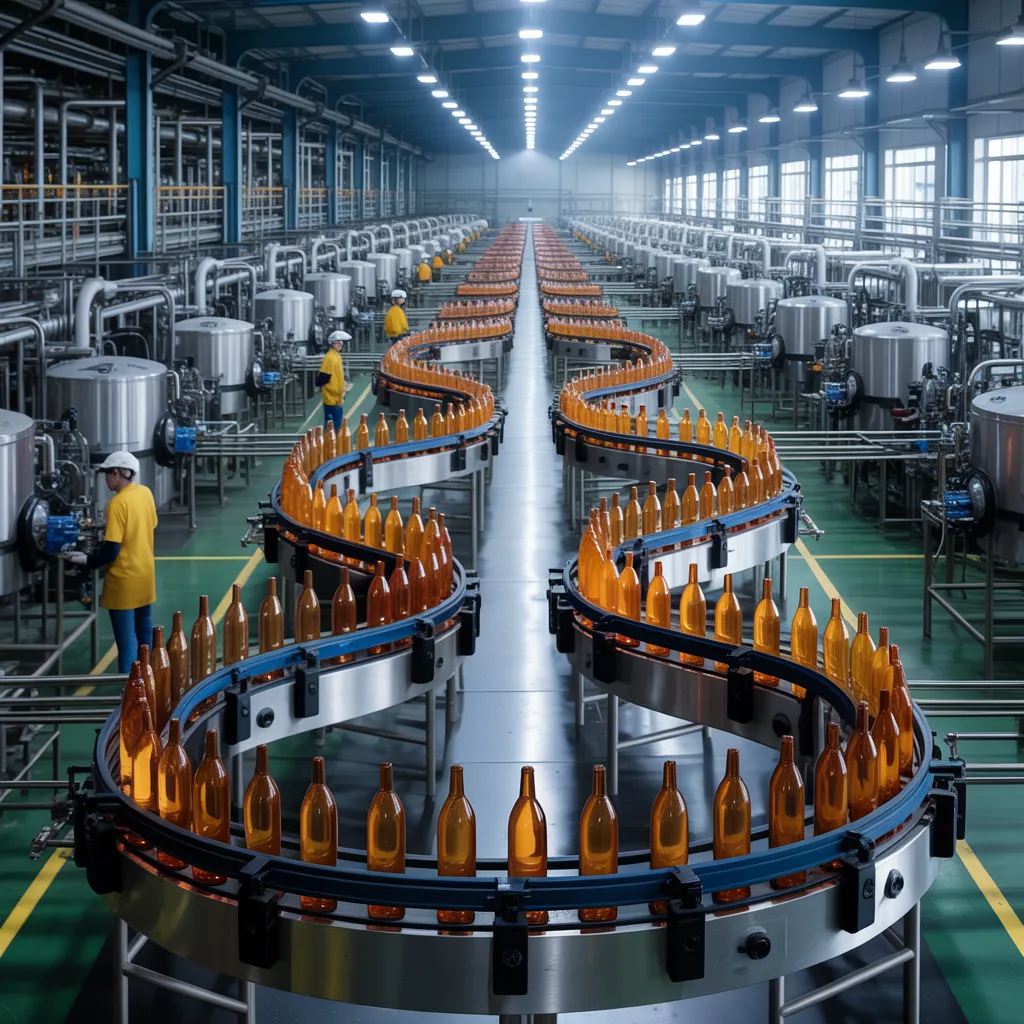
Why Choose Glass Packaging for Your Brand
Choosing glass packaging can significantly improve a brand's overall perception and sustainability efforts. Brands that opt for glass demonstrate a pledge to superior standards and exceptional product encounters, attracting selective buyers who value both visual and practical qualities. Glass offers a timeless and elegant appearance, strengthening a brand's visual presence while offering a tactile experience that no alternative material can equal.
In addition, glass packaging conveys an impression of cleanliness and security, as it is devoid of harmful chemicals often found in plastics. This decision can appeal to green-conscious customers who associate glass with responsible practices. Additionally, its robust construction supports reuse, thereby strengthening a brand's commitment to eco-friendly practices.
In a marketplace increasingly focused on environmental impact, embracing glass packaging solutions can set a brand apart cultivating loyalty and enhancing consumer trust. At its core, this deliberate decision positions brands as leaders in eco-conscious innovation and quality, reflecting modern consumer values.
The Eco-Friendly Advantages of Glass Bottles
Glass containers provide substantial environmental benefits that differentiate them from competing packaging solutions. They are 100% recyclable, supporting a closed-loop economy where materials can be reused indefinitely without loss of quality. This quality significantly minimizes the need for virgin materials, thereby minimizing material extraction and energy expenditure linked to production.
Furthermore, glass packaging is non-reactive, meaning it does not release toxic substances into its products, ensuring safer consumption. In contrast to plastic, glass does not promote microplastic pollution, which is a mounting environmental issue.
The manufacturing of glass bottles also involves lower greenhouse gas emissions in comparison to plastic. With advancements in manufacturing processes, energy efficiency has significantly improved, further reducing the environmental impact associated with producing glass.
Innovative Designs That Enhance Glass Packaging
Innovative patterns in glass vessels are reshaping how items are presented. Distinctive forms and designs not only improve usability but also attract consumer attention. Additionally, striking color combinations further enhance the visual impact, making glass vessels rise above the competition on display.
Distinctive Shapes and Structures
Creative designs in glass-based packaging not only elevate the overall look but also serve a critical function in establishing brand uniqueness. Distinctive forms and designs can generate lasting impressions on consumers, allowing products to rise above the competition on crowded shelves. As an example, irregularly shaped bottles or angular designs can inspire intrigue and promote exploration. These original shapes often correspond with a brand's core values, strengthening its core principles and vision. Moreover, original designs can boost practicality, such as easier handling or enhanced pouring. Organizations that embrace creative glass packaging solutions signal commitment to quality and sustainability, engaging environmentally responsible shoppers. When focusing on distinctiveness in their packaging designs, businesses can build stronger bonds with their customers, ultimately driving loyalty and enhancing market presence.
Captivating Color Palettes
Dynamic color schemes serve a vital function in enhancing glass packaging, transforming ordinary bottles into enchanting visual statements. By employing a strategic blend of hues, businesses can inspire sentiment and deliver unforgettable moments for buyers. Vivid hues can communicate exceptional value, whereas gentler shades can express refinement and elegance.
In addition, the use of multi-toned designs and gradients adds depth and intrigue, drawing attention on crowded shelves. Sustainability-driven practices further elevate the attractiveness; sustainable dyes and finishes appeal to environmentally aware consumers. Ultimately, the perfect color palette not only embodies a brand's character but also strengthens its dedication to sustainability, making glass packaging a powerful tool for differentiation in a competitive market.
How Can Glass Packaging Elevate Product Perception?
Glass packaging notably improves the perception of products via its upscale feel and visual appeal, creating a sense of luxury for consumers. The inherent transparency and optical clarity of glass allow for an unobstructed view of the product, further reinforcing quality. Moreover, choosing glass complements sustainable brand positioning, attracting consumers who prioritize environmental responsibility.
Luxurious Feel And Appeal
Utilizing glass packaging considerably boosts the recognized quality of a product, commonly connecting it with quality and sophistication. Consumers frequently associate glass with high-end appeal, contributing to enhanced brand loyalty and positive consumer experiences. The tactile nature of glass, with its refined surface and heft, creates a luxurious sensation that plastic is unable to match. This tactile interaction builds a relationship between the product and the consumer, fostering a perception of excellence. Furthermore, glass packaging demonstrates a dedication to sustainability, attracting sustainability-minded customers. Therefore, businesses employing glass containers can present themselves as higher-end alternatives within their markets, appealing to thoughtful consumers who appreciate both style and sustainability in their purchasing decisions.
Clear Visual Transparency And Precision
When buyers discover products in glass containers, their impression is frequently elevated by the natural visual openness and clearness it offers. This openness enables prospective customers to view the contents within, creating an atmosphere of reliability and credibility. The see-through nature of glass not only reveals the product's caliber but also accentuates its color and feel, elevating the overall visual experience. Additionally, the absence of labeling distractions on clear glass allows the product to take center stage, creating a more engaging shopping experience. Glass vessels can uplift brand standing by expressing a devotion to quality and skill. This see-through quality ultimately guides customer determinations, fostering a stronger sentimental bond with the product and the company.
Environmentally Conscious Brand Positioning
Environmentally aware brands utilize glass containers to strengthen their dedication to eco-friendly practices, meaningfully improving the way consumers view their products. Glass communicates an impression of quality and refinement, defining a loftier benchmark when measured against plastic counterparts. This substance not only underscores the green values of a brand but also attracts buyers who place importance on sustainable options. The physical sensation of glass—its heft and feel—additionally enhances the perceived worth of the product. Moreover, the ability to recycle glass resonates with the rising consumer expectation for eco-friendly practices, cultivating customer loyalty. By choosing glass, brands not only showcase their dedication to the environment but also present their products as top-tier selections, thereby cultivating a positive image in a competitive marketplace.
Case Studies of Brands Succeeding With Glass Packaging
Numerous brands are succeeding by adopting glass packaging, showcasing its consumer appeal and dedication to environmental responsibility. As an example, a leading beverage company transitioned to glass bottles, producing a 30% rise in sales within a year. The switch not only boosted product visibility on shelves but also resonated with eco-conscious consumers, solidifying the brand's sustainability message.
Another beauty label successfully changed to glass packaging, considerably boosting its luxury brand perception. This transition attracted a committed following that prioritizes both aesthetics and environmental responsibility. Additionally, a specialty beer manufacturer incorporated refillable glass growlers, fostering customer loyalty and reducing waste. These examples demonstrate that glass solutions not only satisfy market needs for environmentally responsible choices but also bolsters brand value and industry presence. Such strategic choices reflect a growing trend among companies seeking to integrate eco-friendly values into their processes while resonating with contemporary buyers.
Ways to Tackle Challenges in Glass Packaging
Steering through the difficulties of glass packaging requires creative approaches and a keen understanding of the market. Businesses often face challenges such as costly production processes, heavy material considerations, and structural vulnerability. To tackle these, brands can adopt advanced manufacturing techniques that minimize material waste and improve product strength. Collaborating with suppliers to procure environmentally responsible materials also mitigates environmental consequences while resonating with eco-aware consumers.
Another challenge is the logistics of transportation, considering the substantial weight of glass. Implementing smart logistics solutions, encompassing improved shipping methods and efficient packaging solutions, can reduce expenses and ensure product protection while in transit. Additionally, raising consumer awareness regarding glass's superiority over plastic may cultivate customer loyalty and boost market demand. Through adopting these approaches, companies can surmount challenges in glass packaging and establish themselves as pioneers in sustainable practices, ultimately enhancing their brand image and market presence.
Future Trends in Sustainable Glass Packaging
As the need for eco-friendly packaging keeps growing, the glass packaging industry is poised for transformative changes. Breakthroughs in manufacturing techniques are projected to boost energy efficiency, lowering the environmental impact linked to glass manufacturing. Additionally, the adoption of lightweight glass bottles will emerge as a key trend, decreasing transportation emissions while maintaining product integrity.
Recycling programs will grow increasingly strong, with enhanced partnerships between industry leaders and civic authorities to enhance the collection and processing of glass. Moreover, the embedding of advanced technology in packaging solutions will facilitate improved clarity throughout the supply chain, enabling brands to showcase their sustainability efforts effectively.
The rising consumer appetite for environmentally conscious products will continue to fuel the growth of customizable, aesthetically pleasing designs, combining utility with striking visual elements. With sustainability becoming a top priority for brands, the glass packaging sector is set to redefine its approach, harmonizing with act now global sustainability targets while fulfilling the needs of an eco-conscious audience.
Questions We Often Receive
How Do the Costs of Glass Packaging Compare to Those of Plastic?
Packaging made from glass commonly involves greater expenses due to manufacturing, shipping, and recycling requirements relative to plastic packaging. Nevertheless, it offers environmental advantages and improved brand image, which can justify the investment for some businesses.
How Do I Customize Glass Bottles for My Brand?
Brands have the ability to tailor glass containers through unique shapes, colors, and finishes. Engraving, labeling, and printing designs strengthen brand identity. Collaborating with suppliers secures alignment with sustainability goals without compromising visual appeal and practicality.
Are There Particular Rules Governing Glass Packaging?
Certainly, dedicated regulations for glass packaging have been established, varying by region. These cover safety standards, labeling requirements, and recycling guidelines, ensuring consumer safety and environmental responsibility while encouraging sustainable practices in packaging manufacturing and distribution.
What Are the Most Effective Best Practices for Recycling Glass Bottles?
When recycling glass bottles properly, individuals should rinse them to remove residues, remove lids, and organize them according to color. Additionally, they should check local guidelines for specific recycling protocols and drop-off locations to make certain they are processed appropriately.
How Does Glass Packaging Affect Shipping and Logistics?
Glass packaging significantly impacts shipping and logistics by increasing weight and fragility, necessitating careful handling and specialized transportation. This may result in elevated costs and more intricate supply chain management when compared to lighter and more resilient materials.